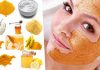


This shrub is native to the desert areas of Arizona, California and Mexico, and the hard nutty seeds of the jojoba plant (or goat nut) yield the waxy liquid known as jojoba oil. Apart from its funny pronunciation, jojoba oil has some seriously useful properties that make it no laughing matter in the healing kingdom. It’s particularly popular in hair and skincare products, since its properties are very similar to human sebum and it therefore aids the healing process of damaged skin.
Jojoba oil is practically odourless, penetrates the skin readily for maximum moisture absorption, and is suitable for all skin types. This has made it a popular addition to the cosmetic industry.
Jojoba oil adopts many of the properties of human sebum when used on the skin or hair of humans. Sebum is a fatty substance released by the sebaceous glands, found in most areas of the body except the palms of the hands and soles of the feet. This sebum waterproofs the skin, keeps it from getting dry and cracked, and inhibits the growth of unwanted bacterias and other micro-nasties on the skin.
In light of the similarities between sebum and jojoba oil, the most common use of jojoba oil is as a rich moisturizer for the skin. It quickly restores elasticity to skin and can be used neat as a topical application for this purpose.
Most common bacteria and skin fungi can’t survive in an environment where they are exposed to jojoba oil. That’s right, jojoba oil was found to kill the ever lurking staphylococcus (infects wounds and food) in just over an hour of being in its vicinity. A pretty impressive feat!
Dermatological tests on jojoba oil reveal that it increases the suppleness of skin by 45% when used, with this effect still noticeable eight hours after application. Topical application of jojoba oil morning and night to skin would therefore noticeably improve skin condition in the long term. Ageing beauties the world over rejoice! If used regularly on the skin, jojoba oil reduces superficial facial lines by up to 30%. Not too bad for a raw product huh? Throw that hideously expensive facial cream out!
Jojoba oil also acts as an anti-inflammatory on the skin due to it containing myristic acid, so jojoba oil is a good choice for sufferers of psoriasis, eczema, dandruff and other itching, irritating skin conditions where the skin becomes inflamed. Jojoba does not aggravate conditions like acne, since it functions to break down sebum build ups in clogged pores.
Jojoba oil doesn’t have any known side-effects and is of light texture and similar enough to the naturally occurring sebum in the body for it to be readily absorbed and not leave you looking like a basted steak. Only a few people have had an allergic reaction to it, and in all cases this naturally subsided within 24 hours of application.
For the rest of us, the only real side effect of using jojoba oil is going to be the weight of one’s wallet post-purchase. It is rather pricey. However, when you consider the exorbitant amount charged by cosmetic companies for products that don’t even do a fifth of the things they claim to, the cost is absorbed by its sheer usefulness and flexibility in your cosmetic and medical drawer. Highly recommended.